


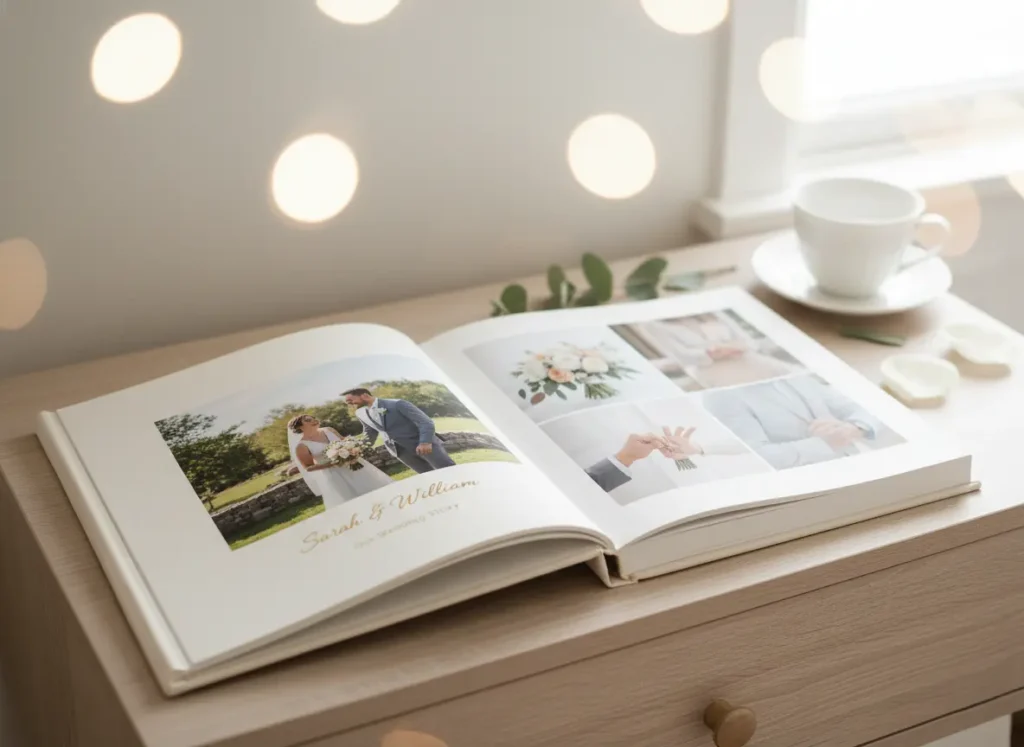
A wedding photobook (also called a wedding photo book or wedding album) is a professionally designed and printed book that beautifully compiles your wedding photographs into a cohesive, storytelling keepsake.
Unlike a regular photo album where you might slip prints into plastic sleeves or pockets, a wedding photobook features your images printed directly onto high-quality pages, with custom layouts, premium binding, and often artistic design elements. It feels more like a luxury coffee-table book or heirloom piece rather than a casual scrapbook.
Key Differences from a Regular Photo Album
- Design & Professional Finish
Wedding photobooks use custom layouts (full-bleed spreads, collages, white space) created in design software, while regular albums are often DIY with stick-in photos or sleeves.
- Binding & Pages
Many wedding versions are layflat (seamless double-page spreads with no gutter crease, ideal for panoramic couple shots or ceremony moments), bound on thick, archival paper. Traditional albums usually have a visible gutter and thinner, flexible pages.
- Durability & Longevity
Photobooks prioritize fade-resistant, museum-quality printing and sturdy covers (leather, linen, acrylic), made to last generations. Regular albums can yellow or wear faster.
- Purpose & Emotion
A wedding photobook tells your love story chronologically or thematically, evoking emotion every time it’s opened. Regular albums are more flexible for adding photos over time but lack that polished, narrative feel.
- One-Time vs Evolving
Photobooks are a “final” artistic product (perfect for weddings as a once-in-a-lifetime event), while albums allow ongoing additions.
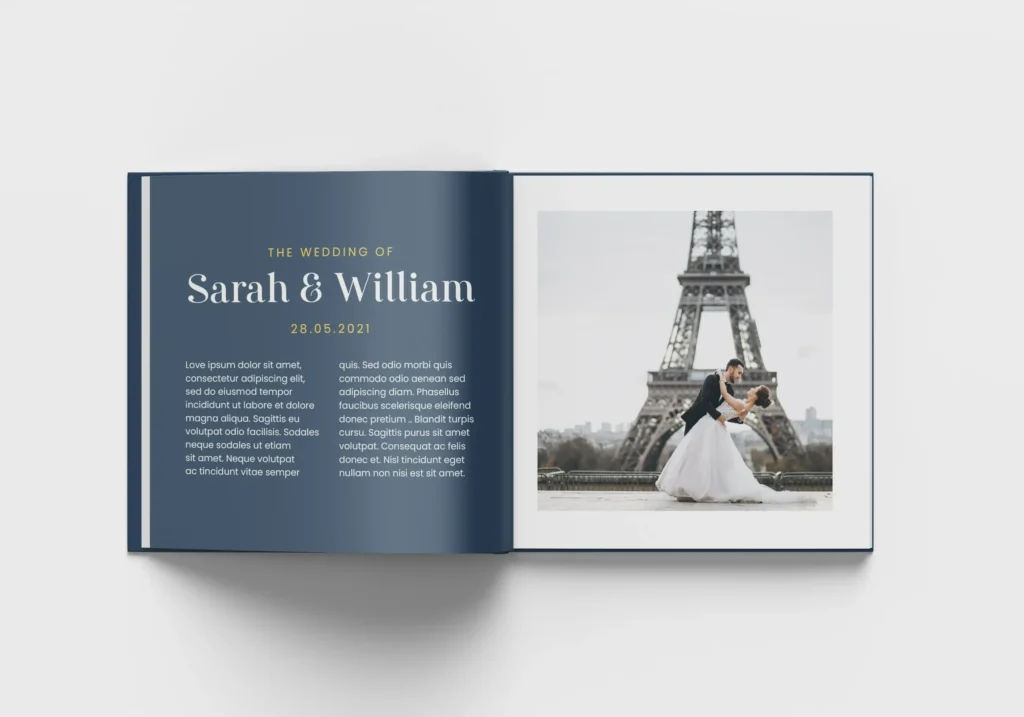
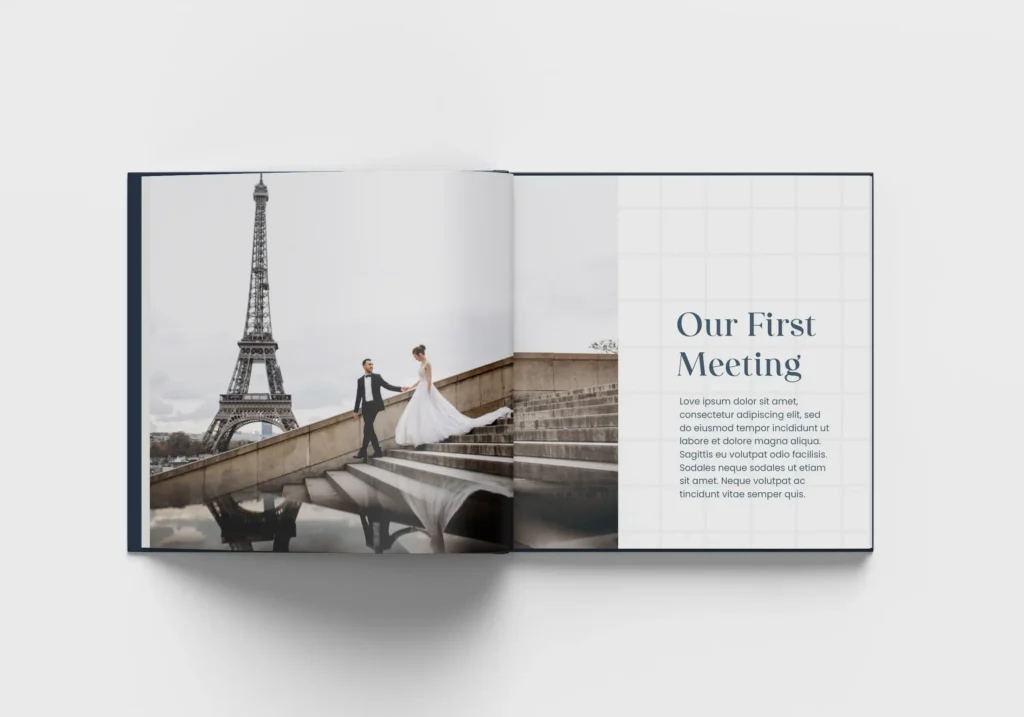
Here’s a visual glimpse of what stunning wedding photobooks look like:
Practical Tips for Creating a Memorable Wedding Photo Book
1. Start with a Clear Storyline
Arrange photos chronologically to relive the day: details → getting ready → ceremony → portraits → reception → exit.
This creates an emotional journey rather than a random collection. Include prelude shots (invitation, rings, dress) and a closing (sparklers or honeymoon teaser) for bookends.
2. Curate Ruthlessly—Quality Over Quantity
Aim for 80–150 photos (about 40–70 pages). Select images that evoke feeling: candid emotions, genuine laughs, quiet moments. Avoid overcrowding; “less is more” lets hero shots breathe and feel premium.
3. Prioritize Layflat Binding & Premium Materials
Choose layflat pages for uninterrupted spreads (perfect for first kiss, first dance, or wide venue shots). Opt for matte or lustre paper, archival inks, and luxe covers (leather, linen, or velvet) to make it heirloom-worthy.
4. Embrace 2026 Trends: True-to-Life & Candid Heavy
Go for natural, unfiltered colors over heavy edits. Include messy detail shots (rings in flowers, lipstick marks, confetti chaos), blurred motion on the dance floor, and flash-lit candids for energy and authenticity.
5. Master Layout & Composition
Mix full-bleed hero images, double-page spreads for big moments, and subtle collages for reception fun. Use generous white space, align elements thoughtfully, and keep pages balanced, avoid cramming 8+ photos per spread.
Communicate clearly with your designer about your storytelling vision, preferred style (minimalist, romantic, or playful), and which moments deserve extra breathing room, so the final layout truly reflects your personality and the emotions of your wedding day.
6. Incorporate Meaningful Text Sparingly
Add subtle captions: wedding date/location, vows excerpt, first-dance song lyrics, or a short “How We Met” intro. Use elegant fonts and minimal placement. Let photos do most of the talking for a clean, heartfelt look.
7. Don’t Skip the Details
Include close-ups of florals, stationery, shoes, jewelry, cake, and decor. These fade fastest from memory but add rich storytelling and texture to the album.
8. Edit Photos First for Consistency
Correct color, exposure, and crop before designing. Match tones across the book (warm neutrals or soft pastels suit 2026’s earthy vibe) so it flows like one cohesive story.
9. Plan for Viewing Experience
Design with physical flipping in mind: big opening spread for impact, emotional peaks in the middle, gentle wind-down at the end. Test by printing a proof or viewing on a tablet in book mode.
9. Make It Personal & Future-Proof
Add one custom element (a handwritten note, pressed flower pocket, or QR code to ceremony video). Choose acid-free, fade-resistant materials so your grandkids can treasure it decades later.
Follow these tips, and your wedding photo book becomes more than photos, it becomes a tangible love story you’ll reach for again and again.