
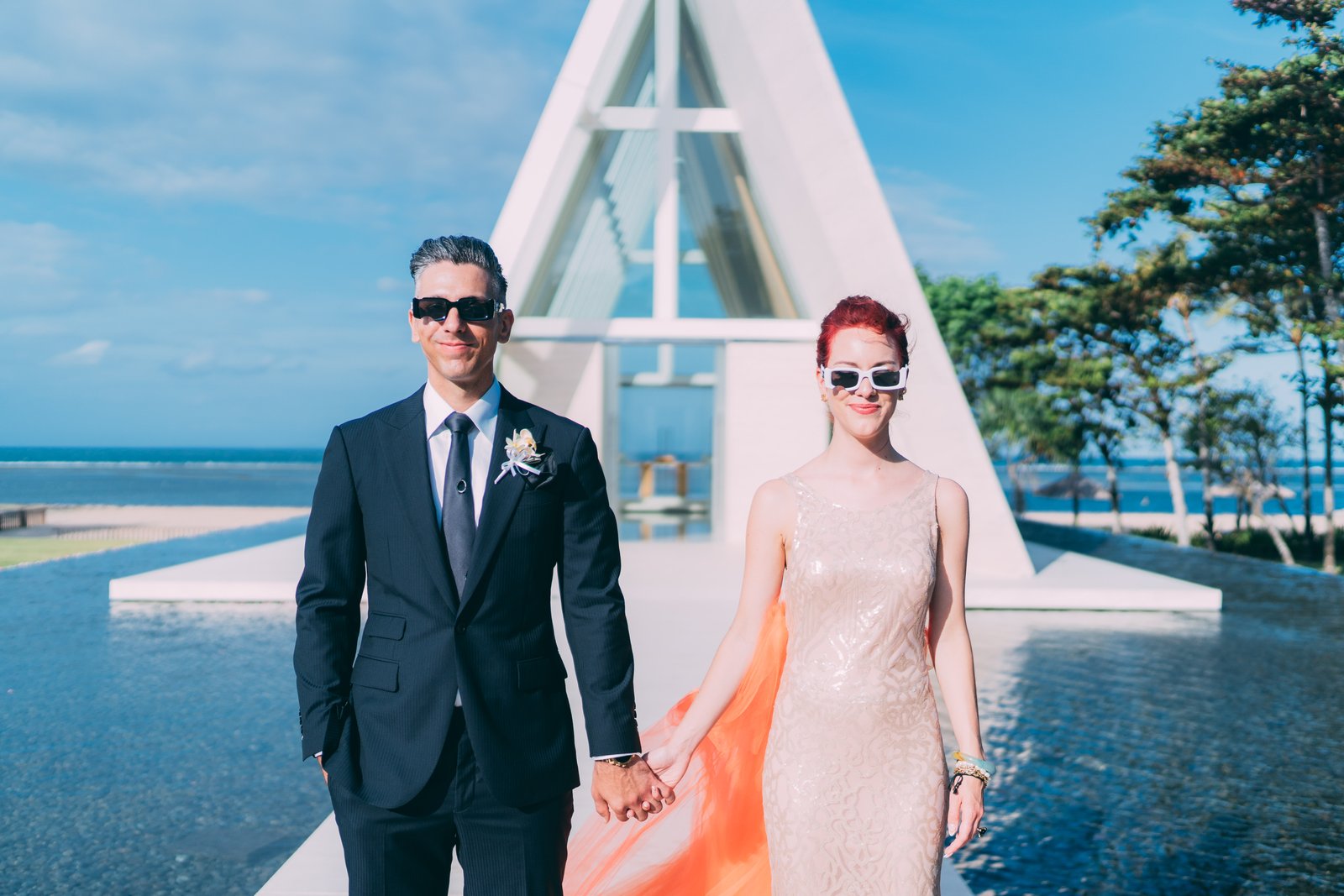
When planning a wedding, choosing between an opulent hotel ballroom, a modern glasshouse, or a lush outdoor garden is one of the most defining decisions you will make. While couples often focus on guest capacity, floral aesthetic, and catering menus, there is one technical element that quietly shapes your entire photo gallery and wedding film: lighting.
Lighting dictates how skin tones render, how motion is captured, and whether your wedding film feels like an airy romance or a dramatic cinematic production. Neither venue type is inherently "better," but each requires a completely different technical approach from your photography and videography team.
Here is an in-depth breakdown of how indoor and outdoor environments influence your wedding documentation, and how to prepare for flawless results in both.
1. The Natural Magic of Outdoor Garden Weddings
Outdoor weddings—whether in a pine forest, coastal cliffside, or private garden estate—are celebrated for their romantic, organic feel. Natural sunlight provides a soft, wrap-around light source that creates effortless dimension in both photos and videos.
- The Golden Hour Advantage: The hour before sunset offers warm, diffused light that minimizes harsh skin shadows, producing glowing backdrops for vow exchanges and couple portraits.
- Organic Color Palettes: Natural sunlight preserves the authentic colors of florals, skin tones, and attire without artificial color casts.
- Space for Dynamic Movement: Outdoor settings allow cameras to move freely, creating continuous cinematic movement and soft background blur (bokeh).
The Technical Challenge: Sunlight is unpredictable. High noon creates harsh overhead shadows beneath eyes and noses, while sudden overcast skies or evening darkness require your media team to introduce off-camera continuous lighting seamlessly without ruining the outdoor atmosphere.
2. The Controlled Elegance of Indoor Ballrooms
Indoor hotel ballrooms and convention halls offer absolute environment control. Weather, humidity, and wind are eliminated, allowing for precise, polished, and dramatic lighting arrangements.
- Structured Lighting Precision: Photographers can deploy off-camera speedlights and studio strobes to carve out crisp, editorial group portraits and sharp action shots on the dance floor.
- Cinematic Mood & Spotlight Drama: Low ambient light allows venue spotlights to isolate the bride and groom during entrance walks, first dances, and cake cutting for high-contrast, filmic imagery.
- Consistency Across the Board: Whether your event lasts two hours or six, indoor lighting conditions remain constant, ensuring uniform color grading across your entire gallery.
The Technical Challenge: Ballrooms frequently feature intense LED screens, warm tungsten ambient fixtures, and mixed ceiling lights. An inexperienced crew can end up with unnatural green or orange skin color casts if they do not properly balance flash power with ambient exposure.
3. Glasshouse Venues: The Hybrid Experience
Glasshouse and conservatory venues have spiked in popularity across Indonesia because they blend natural daylight with shelter from rain. However, glasshouses present unique optical conditions:
- Daytime Diffused Glow: Natural light filters through glass panels, providing soft, shadowless illumination during morning and early afternoon events.
- Refinement and Glare Control: At night or on bright sunny afternoons, glass walls reflect camera flashes and venue lights, requiring polarized filters and precise flash placement to avoid unwanted reflections in images and video footage.
4. Comparing Indoor vs. Outdoor Wedding Lighting
To help you weigh your options during venue walkthroughs, here is how the two main environments compare from a media production standpoint:
| Feature | Outdoor Garden | Indoor Ballroom |
|---|---|---|
| Primary Light Source | Sunlight / Natural ambient light | Artificial strobes, spotlights & ambient fixtures |
| Aesthetic Style | Airy, romantic, organic, warm | Editorial, moody, crisp, high-contrast |
| Best Ceremony Timing | 4:00 PM – 5:30 PM (Golden Hour) | Flexible throughout the day/night |
| Biggest Technical Risk | Harsh midday sun or rapid dusk drop-off | Mixed LED color temperature & dark ceilings |
| Key Gear Needed | Reflectors, ND filters & portable LED panels | Multi-point off-camera flash & video key lights |
5. Timeline & Lighting Tips for Couples
Regardless of which venue style you choose, these strategic rundown tips will safeguard your photo and video quality:
- Align Ceremony Times with Sunset: If marrying outdoors, schedule your main ceremony 60 to 90 minutes before sunset to capture optimum outdoor portraits before night falls.
- Coordinate LED Screen Brightness: For indoor ballrooms, instruct your AV vendor to keep LED backdrop screen brightness at a lower output (usually 10–20%) so the couple remains the main subject rather than a dark silhouette.
- Plan a Lighting Backup Strategy: Always ensure your media studio carries dedicated continuous video lighting and off-camera flashes capable of illuminating outdoor night receptions or dark venue halls.
Mastering Your Wedding Aesthetic
Whether you choose the sunlit elegance of a garden estate or the grand drama of an indoor ballroom, exceptional wedding photography and filmmaking rely on mastering the light. By pairing the right venue with a media team skilled in both natural light harvesting and artificial lighting design, you ensure a timeless visual legacy that preserves every emotion of your special day.
Unsure Which Venue Style Matches Your Vision?
Consult with Oxalis Pictures today to review venue lighting setups, sample galleries, and tailored photo and video packages for your wedding day.
Consult with Our Media Team