
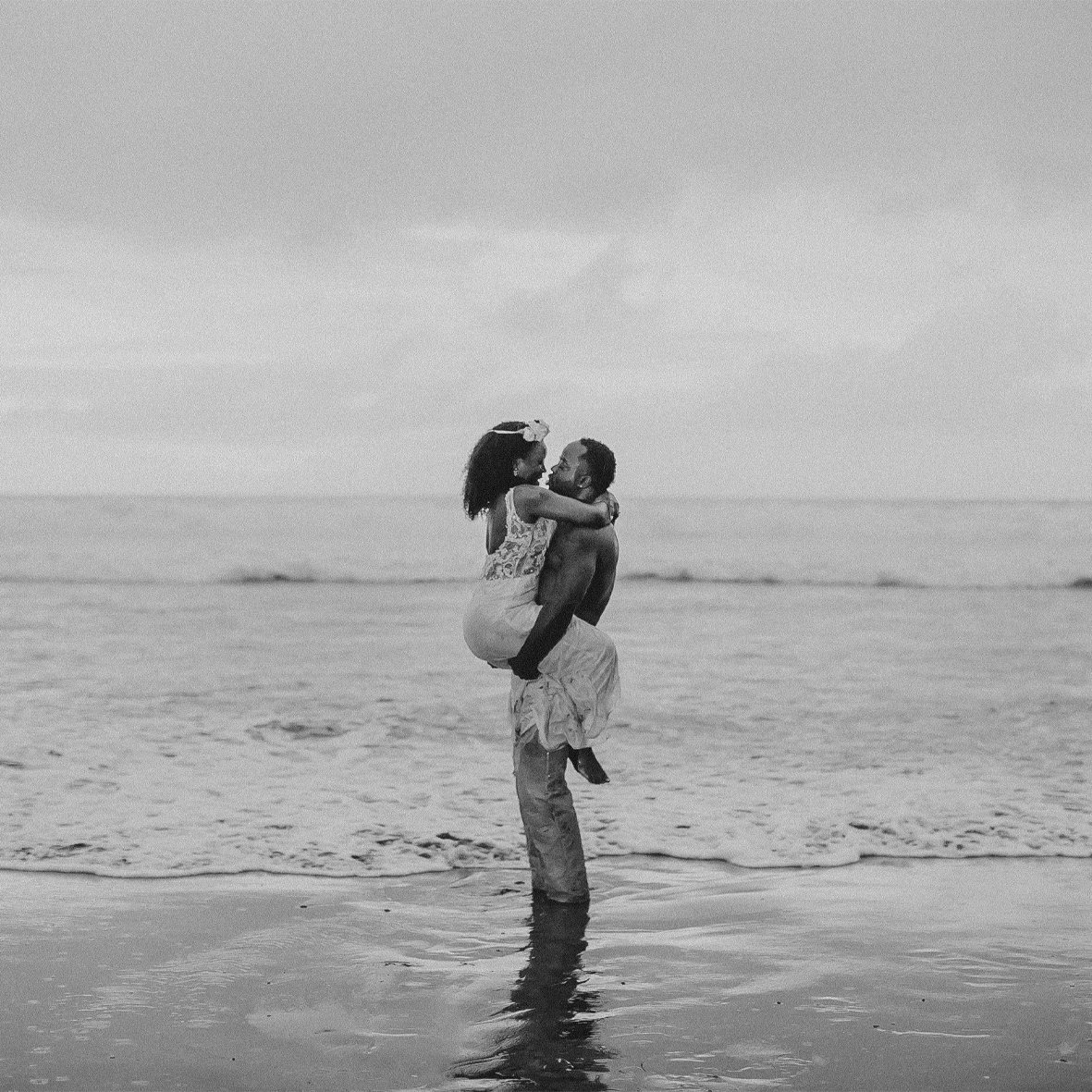
A marriage proposal is one of life’s purest unscripted dramas. While smartphone clips capture the event casually, elevating a proposal video into a high-end romance film requires deliberate cinematographic craft. It demands pristine audio recording, cinematic frame rates, multi-angle lens coverage, and nuanced color grading.
To produce a proposal video that looks and feels like a scene from a feature romance film, videographers must balance absolute secrecy with precision cinema production.
1. Frame Rates, Aspect Ratios, and Lens Selection
The hallmark of feature-film aesthetics lies in optical characteristics and motion cadence:
- True 24fps Motion Cadence: Shoot strictly at 23.976 / 24 frames per second with a 180-degree shutter rule (1/50s shutter speed) to replicate traditional cinema film motion.
- Cinematic Aspect Ratio (2.39:1 Anamorphic Format): Frame shots with ultra-wide letterboxing to create an immediate theatrical atmosphere.
- Fast Prime Lenses: Utilize fast prime lenses (85mm f/1.4 or 135mm f/1.8) to dissolve backgrounds into soft bokeh while maintaining razor-sharp eye detail on emotional reactions.
Audio Tip: Conceal a tiny wireless lavalier microphone (such as a DJi Mic or Rode Wireless PRO) inside the proposer's jacket pocket. Clear audio of the trembling voice and vow speech is 80% of the film's emotional impact.
2. Hidden Dual-Camera Angle Strategy
Because a proposal cannot be re-shot, a single camera setup risks missing crucial angles. Professional cinema teams deploy a multi-camera stealth layout:
| Camera Angle | Lens Focal Length | Coverage Focus |
|---|---|---|
| Camera A (Wide Master) | 35mm or 50mm f/1.4 | Captures the environmental landscape, walking entrance, and knee drop context. |
| Camera B (Tight Emotional Close-Up) | 85mm or 70-200mm f/2.8 | Hidden in foliage/architecture, locked tight on the partner's facial tears and ring placement. |
3. Structuring the Narrative Sequence
A filmic proposal video should follow a structured three-act romance narrative:
- The Anticipation (Act I): Establishing shots of the location, ambient environmental sounds (waves, wind, distant street noise), and close-ups of the trembling hands holding the ring box prior to arrival.
- The Climax (Act II): The walk-in, the speech, the knee drop, and the emotional embrace captured in dual-angle synchronization.
- The Afterglow (Act III): A post-proposal mini-session shot in 60fps slow-motion, showing the couple laughing, examining the ring, and celebrating in golden hour light.
4. Cinematic Color Grading & Sound Design
Raw footage turns into cinema during post-production. Apply custom 3D LUTs (Look-Up Tables) that mimic warm Kodak or Fuji film stocks, creating teal-and-orange contrast between cool background tones and warm skin highlights. Layer the scene with a building acoustic piano or orchestral score paired with ambient sound effects.
Ready to Film a Feature-Quality Proposal Story?
Let our cinema production team turn your proposal into a timeless romantic film.
Consult Our Cinema Directors