


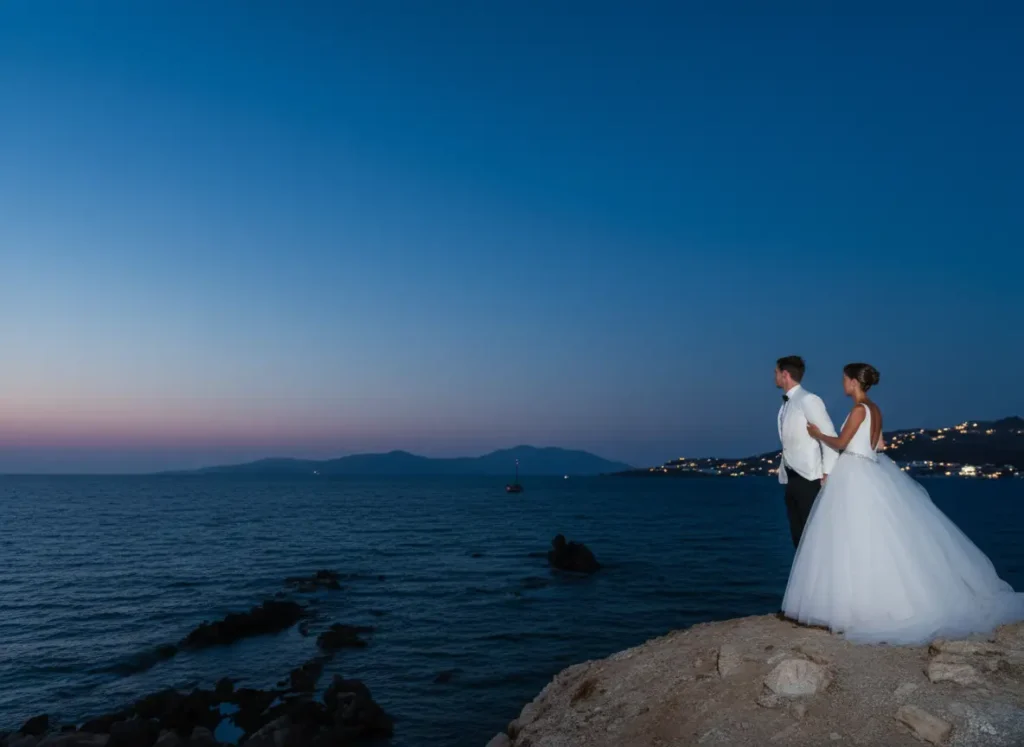
In the professional photography landscape, timing stands as the definitive element of a successful shoot. While modern equipment can work wonders, nothing beats the natural “magic” provided by the sun at specific times of the day. For outdoor sessions, the debate often boils down to two distinct windows: Golden Hour and Blue Hour.
Choosing between them can shift the entire mood of your gallery. Here is a breakdown to help you decide which light suits your vision.
1. The Golden Hour: Radiance and Warmth
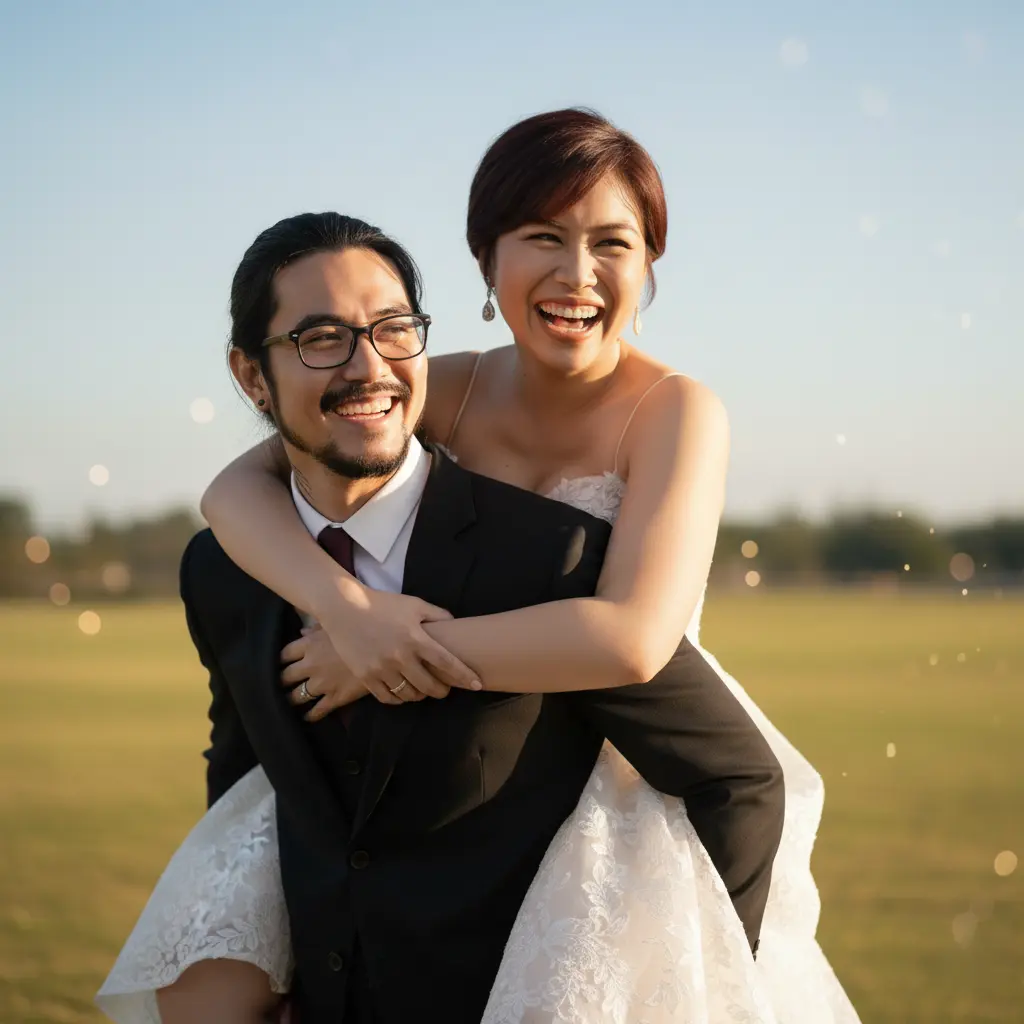
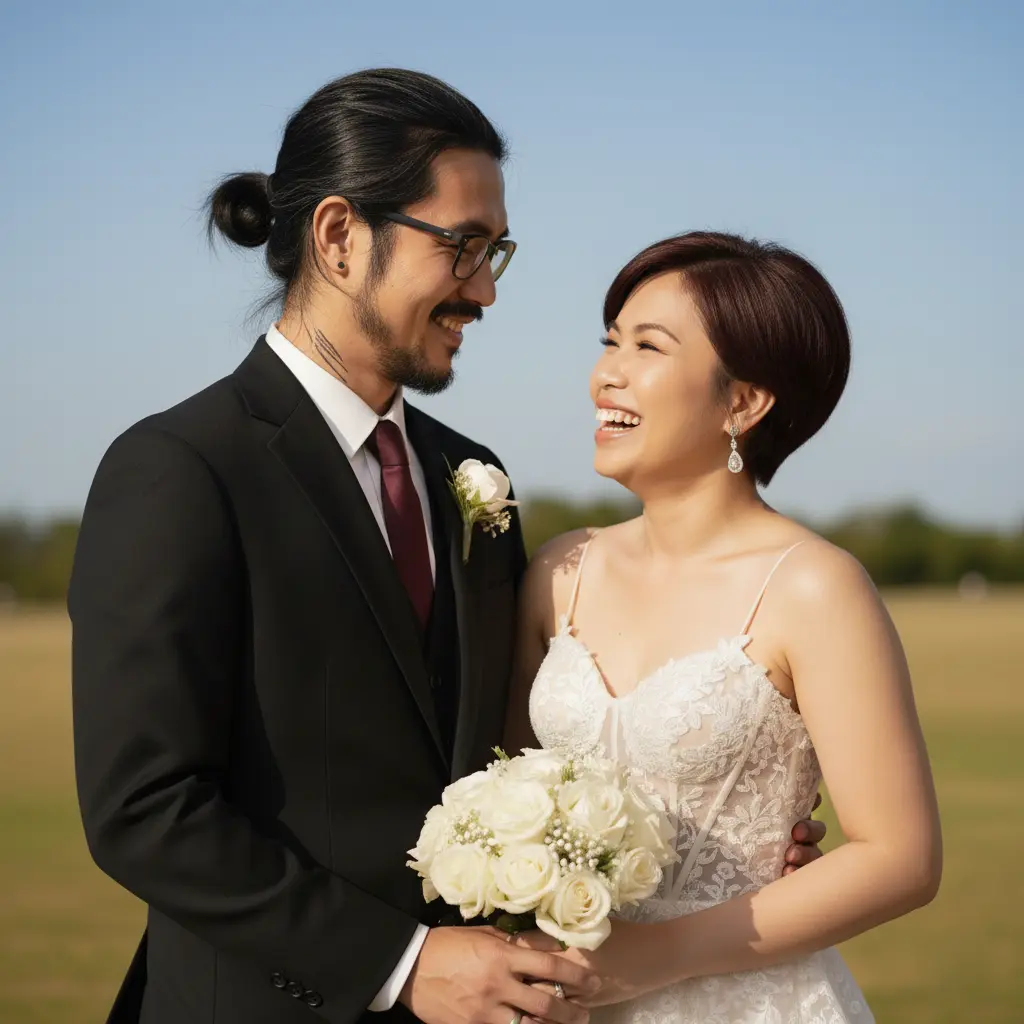
Commonly known as the “Magic Hour,” this occurs shortly after sunrise and just before sunset. The sun is low on the horizon, filtering through more of the atmosphere to create a soft, directional light.
Why It Works for Weddings:
- The Radiant Glow: It creates a soft, “dreamy” look that enhances skin tones and wedding attire.
- Natural Backlighting: This is the ideal time for “halo” effects around the couple and artistic lens flares.
- Warmth and Joy: The color palette evokes feelings of nostalgia, happiness, and timeless romance.
Best Suited For:
- Romantic engagement sessions.
- Family portraits in natural settings.
- Lifestyle or “boho” aesthetic branding.
2. Blue Hour Photography: The Cinematic Edge
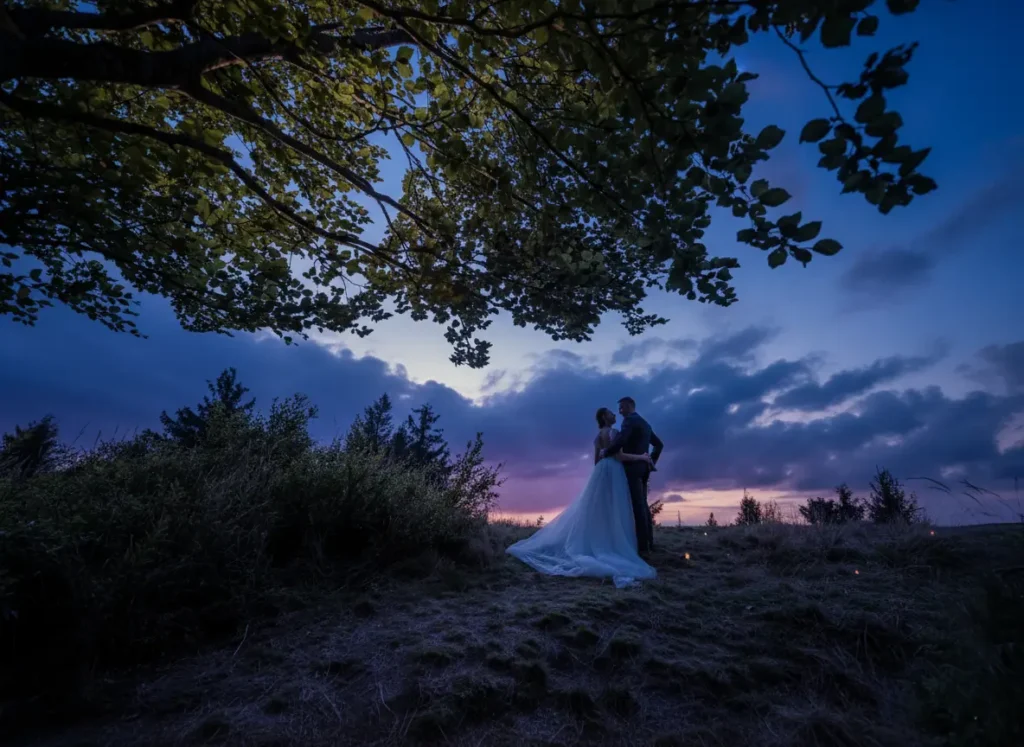
The Blue Hour occurs when the sun is significantly below the horizon, usually 20 to 30 minutes before sunrise or after sunset. The sky takes on a deep, cool palette of indigo, violet, and navy.
Why Choose the Blue Hour for Your Wedding?
- Sophisticated Mood: It provides a tranquil, almost ethereal atmosphere that feels more intimate and “editorial” than daytime shots.
- Creative Light Play: This is the perfect window to use sparklers, lanterns, or off-camera flashes. The artificial lights pop brilliantly against the velvet-blue sky.
- Visual Balance: Unlike the pitch black of night, blue hour photography retains detail in the sky while allowing city lights or venue decorations to glow harmoniously.
Best Suited For:
- High-fashion or “edgy” editorial shoots.
- Architecture and cityscapes.
- Dramatic, moody portraiture.
Key Differences at a Glance
| Feature | Golden Hour | Blue Hour |
|---|---|---|
| Color Temperature | Warm (Yellow/Orange) | Cool (Blue/Violet) |
| Vibe | Nostalgic, Radiant, Joyful | Mysterious, Modern, Calm |
| Shadows | Soft and Long | Diffused and Minimal |
| Complexity | Easy to shoot | Requires steady hands/tripods |
How to Make the Call?
The choice ultimately depends on the story you want to tell.
If you want your photos to feel like a warm memory or a sun-drenched dream, Golden Hour is your best bet. It is the safe, classic choice for a reason.
However, if you want to stand out with a sophisticated, cinematic look, don’t pack up your gear once the sun dips. Stay for the Blue Hour. It requires a bit more technical skill due to the lower light, but the “wow factor” is often worth the extra effort.
Professional Pro-Tip
You don’t always have to choose. A seasoned wedding photographer will often suggest a 45-minute “sunset session.” This allows you to spend the first 20 minutes in the Golden Hour for your classic portraits, and the final 20 minutes capturing the magic of the blue hour photography transition as the lights of your venue flicker to life.
Whether you chase the glow or embrace the twilight, understanding these natural cycles will elevate your outdoor photography from “good” to “unforgettable.” Check your local weather app for exact timings, as these windows change daily!